Text size
Line height
Text spacing
This session looks at 1500 years of architectural history and shines a light on the hidden side of the accepted historical narrative. It focuses on architectural works, from the Middle Ages to the present, which transform existing buildings and, by doing so, build a way forward, through adaptations, additions and visual shifts sometimes modest, sometimes revolutionary.
We will discover the formal inventions born of these adaptation and additions – as a survival strategy and as a strategy of artistic development. The seminar aims to give the viewer a new understanding of the history of architecture by emphasizing the creative possibilities of working with existing buildings and the fact that it is a practice with a long history from which there is much to learn. This presentation of architectural history also reveals different mechanisms at work, reinforcing the value of time in architecture, the importance of studying buildings over time, not at the privileged moment of their creation and, instead of focusing solely on “the author”, reveals the accumulation of gestures which shape architecture and our environment over time. Many well-known buildings are rediscovered and newly understood as transformations of earlier buildings or seen to have been designed, inextricably, within their context, as in the case of the Barcelona Pavilion by Mies van der Rohe with Lilly Reich.
The lessons we learn from these buildings, over time, continue to be relevant and should inspire us in our current design and preservation practices.
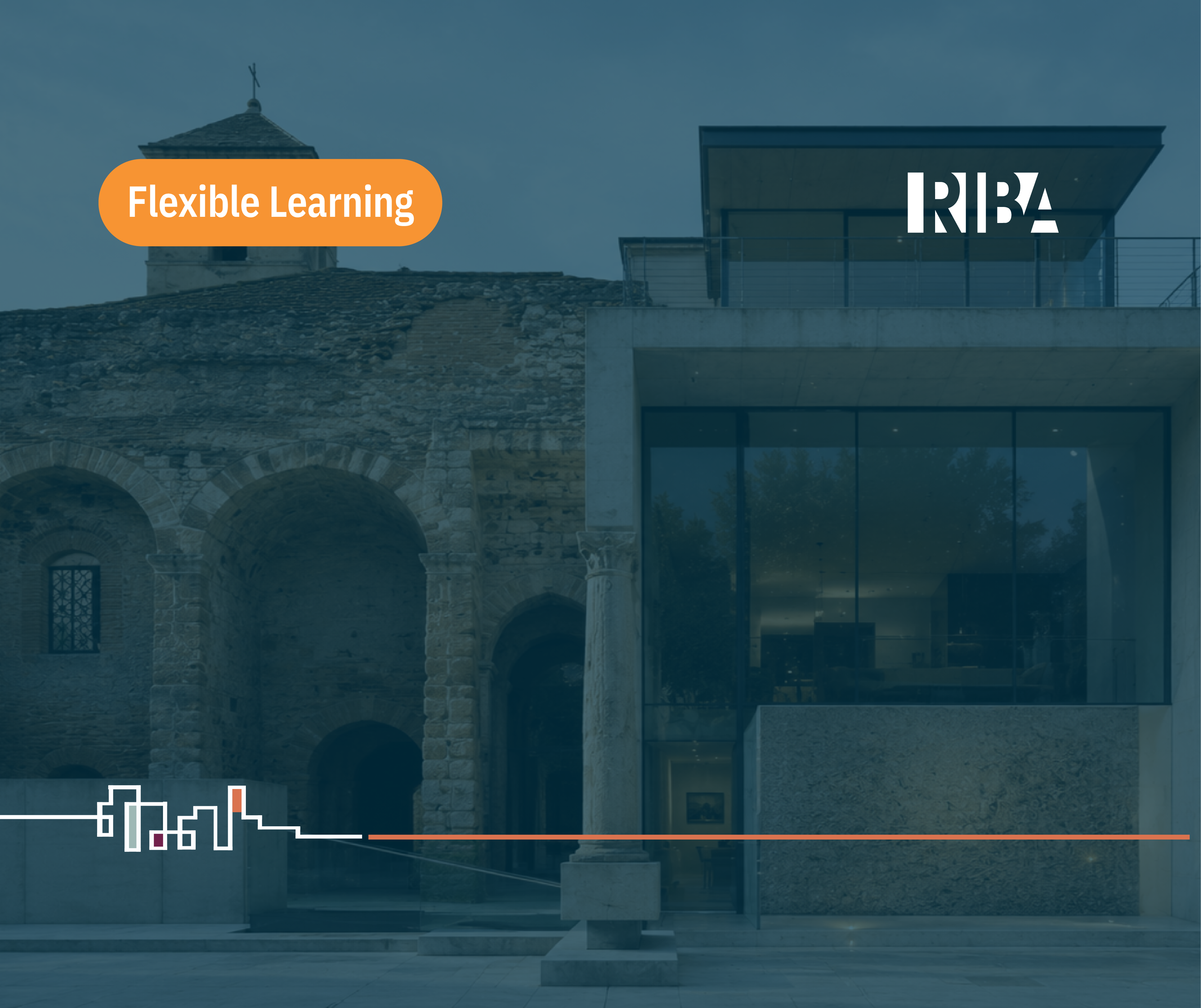
This session looks at 1500 years of architectural history and shines a light on the hidden side of the accepted historical narrative. It focuses on architectural works, from the Middle Ages to the present, which transform existing buildings and, by doing so, build a way forward, through adaptations, additions and visual shifts sometimes modest, sometimes revolutionary.
We will discover the formal inventions born of these adaptation and additions – as a survival strategy and as a strategy of artistic development. The seminar aims to give the viewer a new understanding of the history of architecture by emphasizing the creative possibilities of working with existing buildings and the fact that it is a practice with a long history from which there is much to learn. This presentation of architectural history also reveals different mechanisms at work, reinforcing the value of time in architecture, the importance of studying buildings over time, not at the privileged moment of their creation and, instead of focusing solely on “the author”, reveals the accumulation of gestures which shape architecture and our environment over time. Many well-known buildings are rediscovered and newly understood as transformations of earlier buildings or seen to have been designed, inextricably, within their context, as in the case of the Barcelona Pavilion by Mies van der Rohe with Lilly Reich.
The lessons we learn from these buildings, over time, continue to be relevant and should inspire us in our current design and preservation practices.